Follow Us:
Standard Treatments & Management

Structured Care Backed by Science

Developmental disorders need personalized, long-term and multidisciplinary care. With the right therapies and medical guidance, children can improve in learning, communication, movement, daily activities and independence.

Understanding Treatment & Management

In developmental disorders, treatment is not always a one-time process. Many children need continuous therapeutic management, regular monitoring and supportive care to improve their functional abilities.

Hypertonia Hypotonia Dyskinesia Motor Difficulties Neurological Issues
Our Focus

Improving function, independence, development and quality of life through evidence-based care.
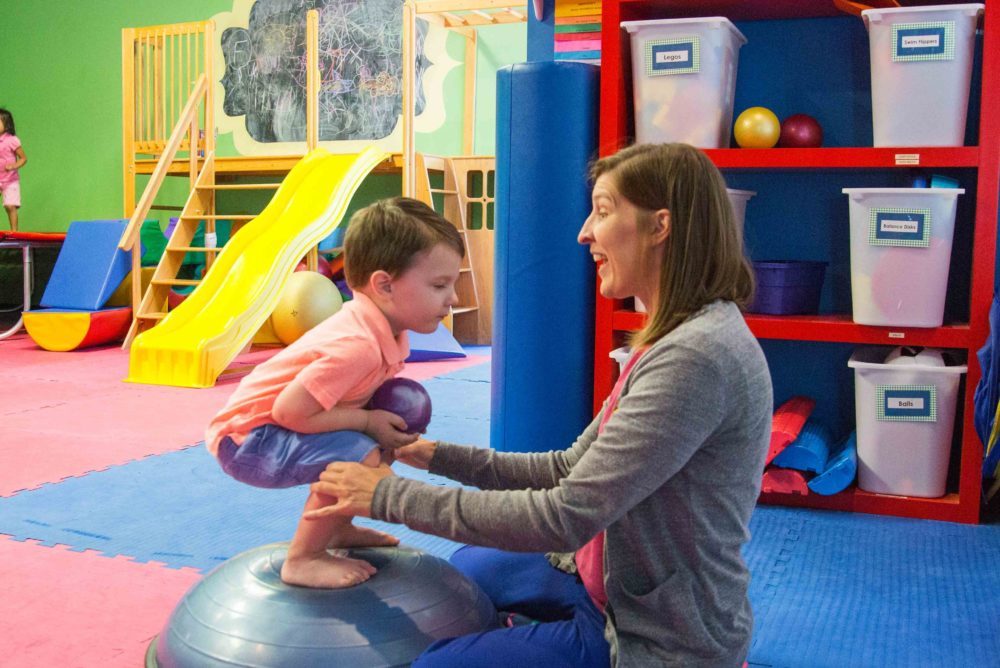
Child Development Therapy
Personalized Child Care
Core Standard Therapies

Therapies That Support Meaningful Development

Early Intervention

Early age support helps improve developmental milestones, learning ability, social response, motor skills and overall functional growth.

Physiotherapy

Improves posture, balance, walking pattern, muscle strength, mobility, flexibility and motor development in children.

Occupational Therapy

Helps children perform daily activities independently by improving hand function, coordination, sensory skills and self-care abilities.

Speech Therapy

Supports speech clarity, language understanding, communication skills, expression, social interaction and confidence in speaking.

Special Education

Provides customized learning plans for children according to their academic level, attention span, learning style and developmental needs.

Behavior Therapy

Helps improve attention, emotional control, social behaviour, adaptive responses, routine following and positive everyday behaviour.

Orthotic Aids

Customized supports help improve body alignment, joint stability, foot positioning, walking efficiency and movement control.

Postural Aids

Designed to support correct sitting, standing and body posture, helping reduce strain and improve comfort during daily activities.

Mobility Aids

Supportive devices help children move safely, improve balance, increase independence and participate better in daily life.

Adaptive Aids

Special tools and modifications make daily activities easier, including feeding, writing, sitting, self-care and functional tasks.

Visual Stimulation Therapy

Helps improve visual attention, eye tracking, visual response, focus and functional use of vision in everyday activities.

Medicinal Therapy

Used when required to manage associated medical, neurological, behavioural or developmental concerns under expert supervision.

Botox Injection

Commonly used in selected spasticity cases to reduce muscle tightness, improve movement and support better therapy outcomes.

Orthopedic Surgery

Recommended in specific musculoskeletal conditions where correction of deformity, posture or movement limitations is required.

Neurosurgery

Suggested only in selected neurological conditions after detailed evaluation to improve function, comfort and long-term outcomes.

Assistive Aids

Orthotic, postural, mobility and adaptive aids help children move better, maintain alignment and perform daily tasks easily.

Specialized Support

Visual stimulation and medicinal therapy are used when required to support associated functional, visual or neurological concerns.

Medical Interventions

Botox injections, orthopedic surgery and neurosurgery may be recommended in selected cases after expert evaluation.

Our Approach at ICD

Every child responds differently. That’s why treatment plans at ICD are personalized, multidisciplinary and regularly monitored to ensure the best possible progress.

Evidence-based therapies. Personalized care. Meaningful progress.